At Rosmara we teach you how to reconnect with nature and develop your elemental awareness. We achieve this through instruction in traditional fieldcraft skills which include observation, navigation, marksmanship and survival. Practised in the tranquillity of the forests of Portglenone, where artificial noise is replaced by a natural stillness.
In a world increasingly dominated by technology and screens, more people are looking to unplug from digital reality, dial down the noise in their heads, and reorientate.
The solution is simply to spend more time learning skills in the great outdoors. Doing so has been shown, again and again, to improve mental and physical wellbeing.
Rosmara Fieldcraft is a set of traditional outdoor skills that help establish self-discipline, fortitude and equanimity.
II · Heritage
From Loch Maree to Glenone Forest.
Rosmara traces its lineage to the Scottish Highlands. During the Second World War the War Office established a Fieldcraft Training Centre on the shores of Loch Maree in Wester Ross - an area steeped in legend and ancient tradition.
An offshoot of the Commando Training School at Achnacarry, the centre was more discreet, with emphasis on coaxing the best out of each student by adapting the challenge to his ability.
“Here was ample silence in which the human spirit could expand and develop, where the sense of awareness, atrophied by modern civilisation, could become keen and subtle.”
The training team was drawn from local gillies - a Gaelic word for attendant or servant - many of whom had served as snipers with the Lovat Scouts in the First World War. Expedition leaders, fishermen, game-keepers, shepherds and wildlife rangers of the remote estates: ideal teachers of fieldcraft.
In the years after the war, the Loch Maree gillies pioneered aftercare for veterans, using fieldcraft principles to reinforce stillness, self-awareness and harmony. The same centre helped lay the foundations for the Duke of Edinburgh awards and the wider institution of civilian outdoor education.
Today we carry that tradition to Glenone Forest, nestled on the banks of the River Bann - a quiet stretch of grassland, pine and waterways that has become our own training ground.
III · Practice
Four disciplines, one mindset.
Battle-tested principles that prepare us to deal with life’s unexpected challenges - practised slowly, in the open air.
01 Discipline
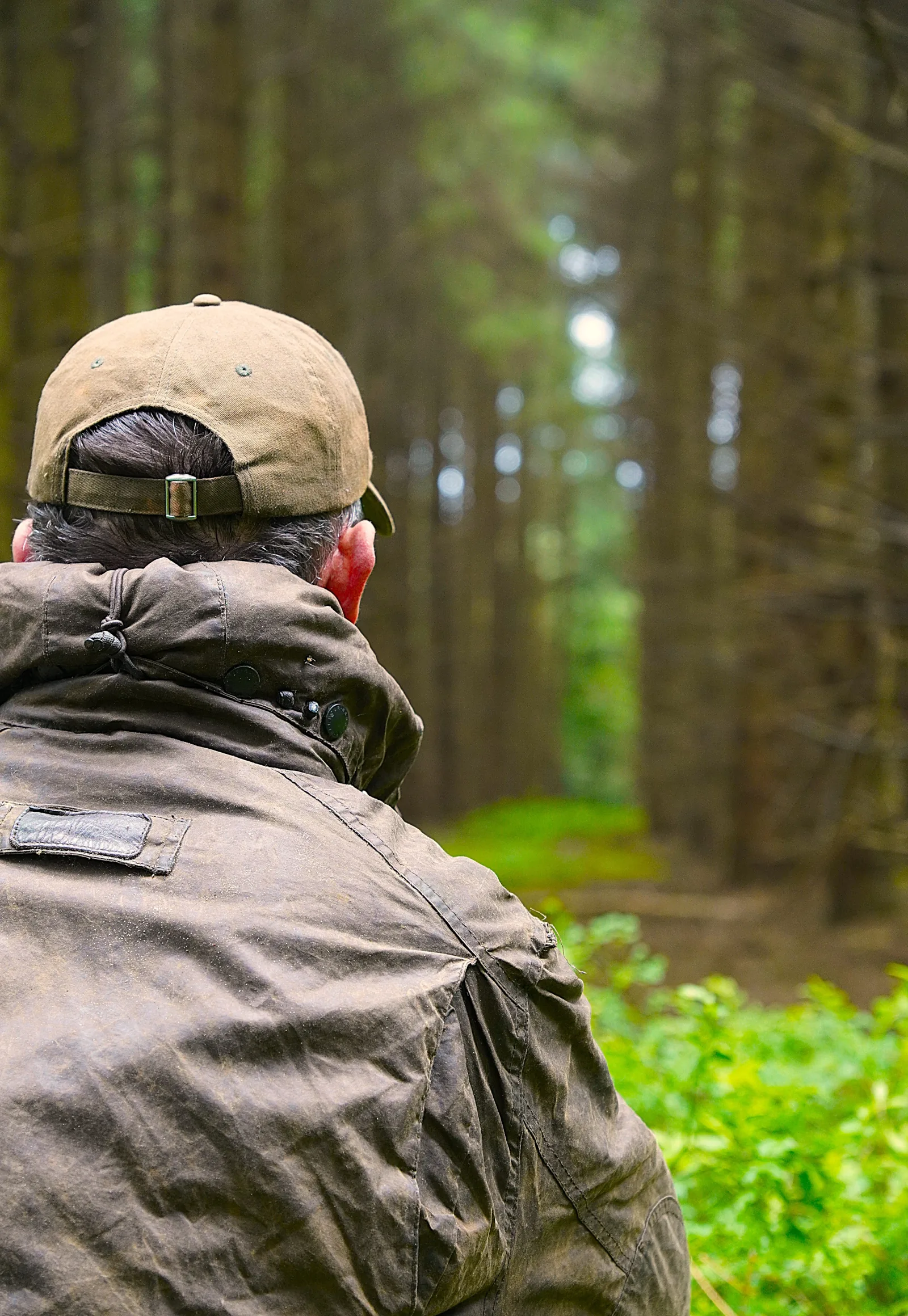
Observation
Situational awareness and guarding yourself from distraction.
Observation is the discipline of being aware of your immediate environment. A lack of vigilance can erode the foundations of health, safety and security - it begins with a lack of appreciation and attention.
Our aim is to instil a sense of relaxed focus that is anchored in the here and now, even whilst under pressure.
Equanimity.robust calm composure, characterised by freedom from distress and worry - the ideal state of warriors before, during and after battle. Not to be confused with indifference.
02 Discipline
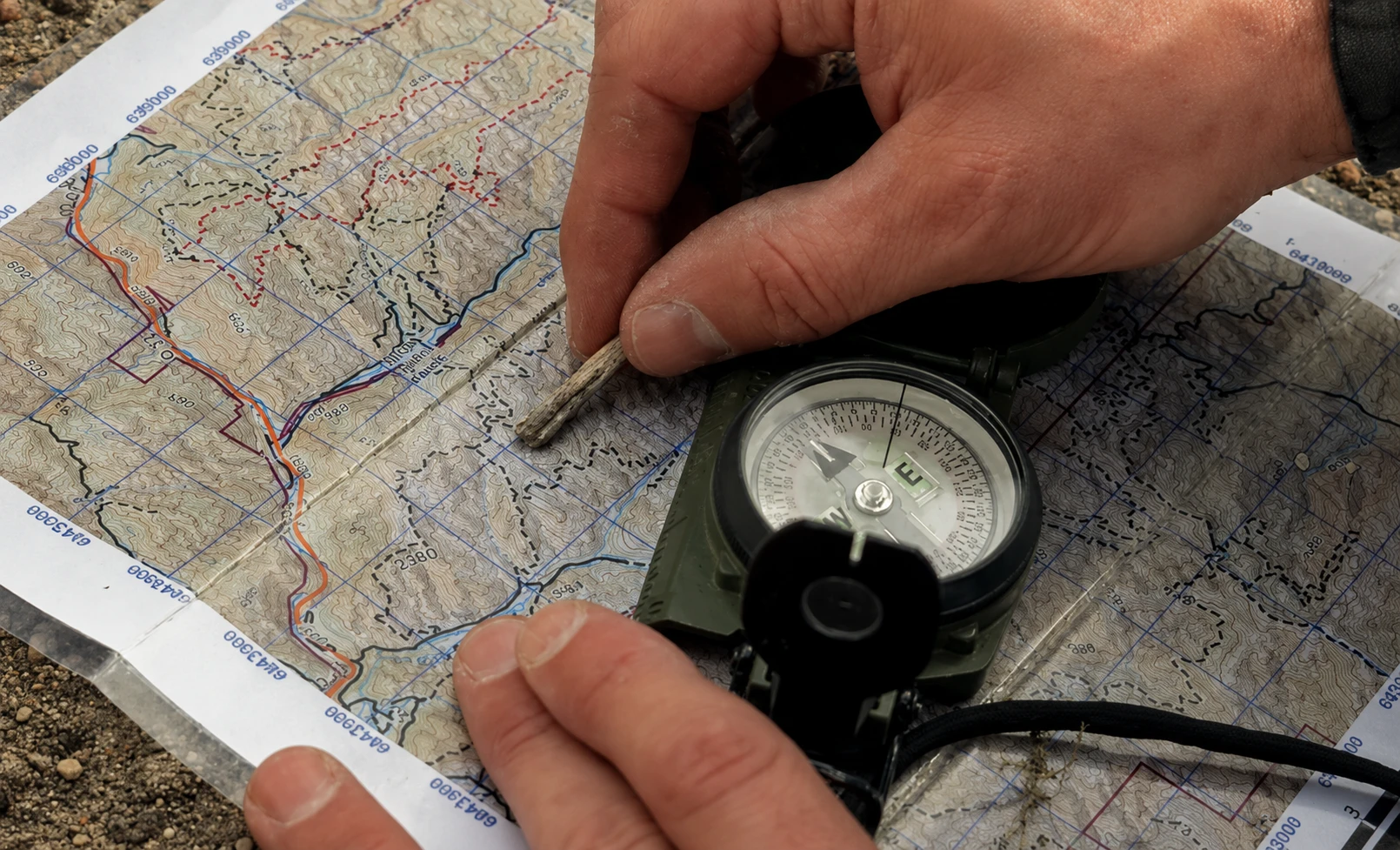
Navigation
Direct your own movement, negotiate challenging terrain and navigate uncertainty.
In an era of digital maps, our focus has drifted to devices rather than the land itself. Over-reliance on technology blunts our intuitive sense of direction and breeds anxiety the moment signals fail.
Learning how to use a map and compass begins your pathway from being a passive follower to an active participant in your own journey.
Compos Mentis.the ability to think clearly and to be in control of, and responsible for, your actions.
03 Discipline
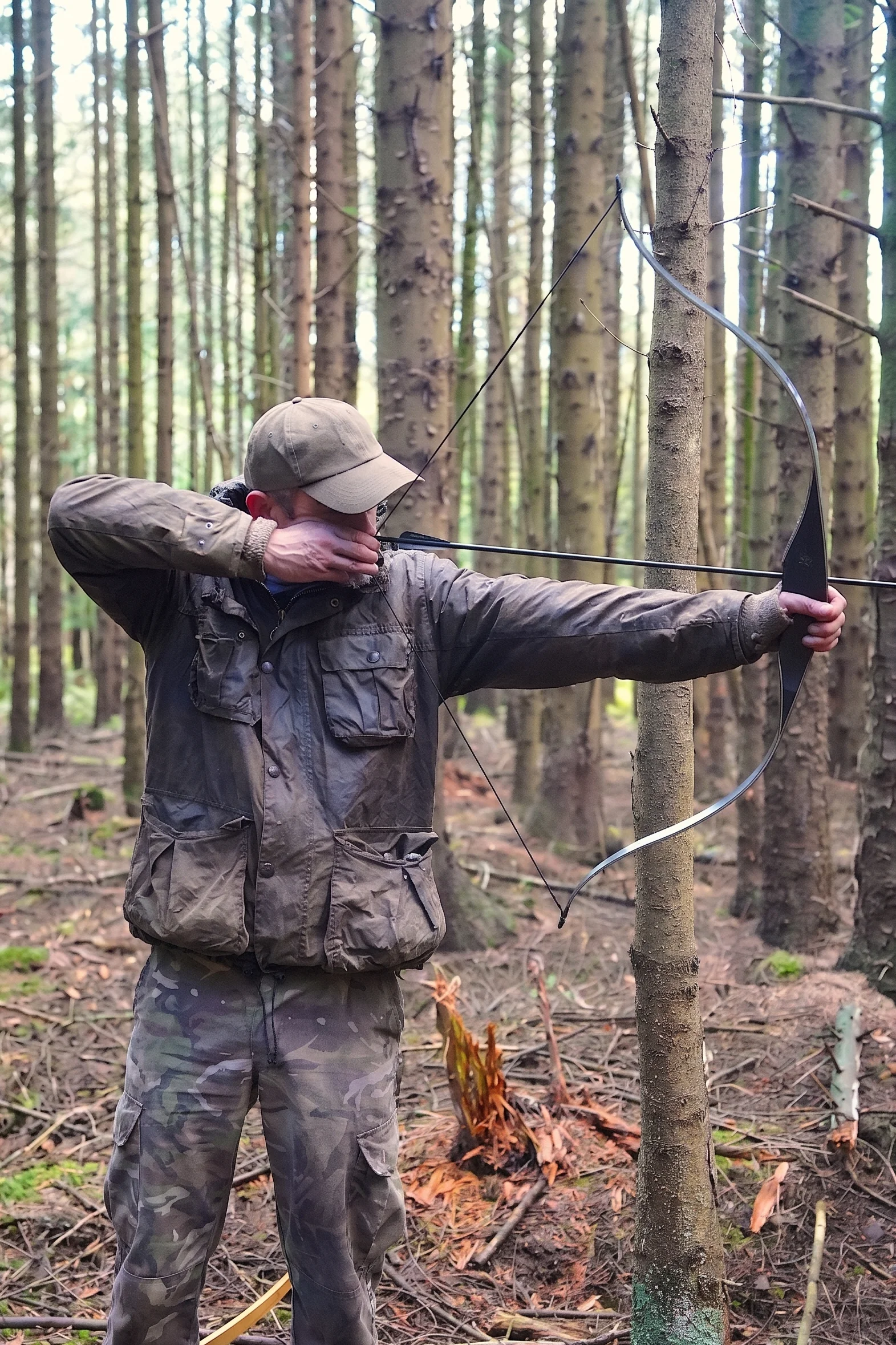
Marksmanship
Precise harmony of movement, balance, tension, release and stillness.
Archery is a traditional fieldcraft skill that teaches self-discipline. Excess tension and anxiety are the true targets for the archer. Our aim is to teach you how to identify and release them by learning the marksmanship principles.
This discipline translates directly into everyday life, teaching us to prioritise tasks, eliminate distractions, manage stress and maintain presence of mind.
04 Discipline
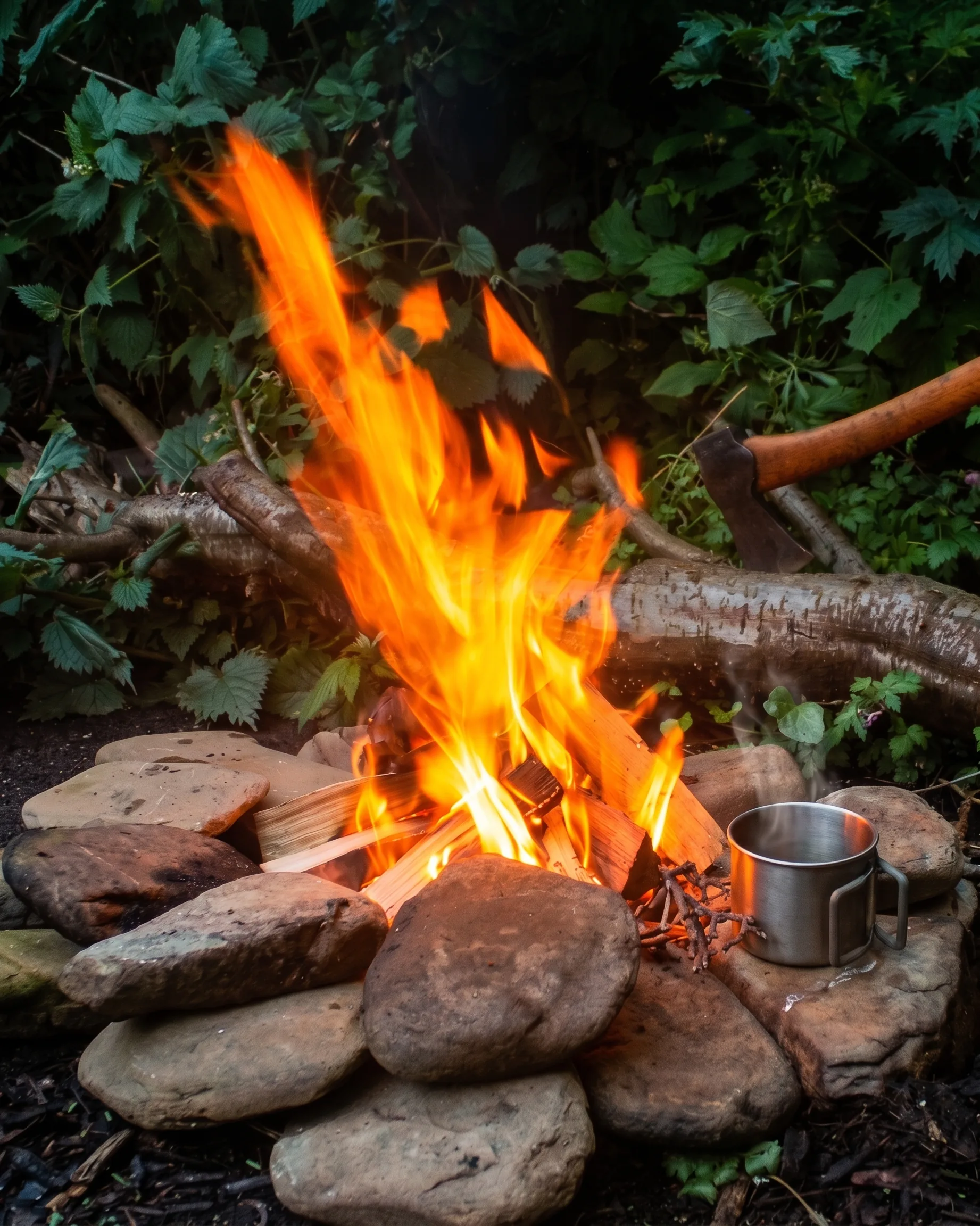
Survival
Survival skills, contingency planning and camping adventures.
Survival is the ability to care for yourself and others when ordinary supports fall away. The practical skills are shelter building, fire lighting, water purification, foraging, first aid and field-care.
Mental preparation matters as much as kit. By practising realistic scenarios we develop coping strategies, manage fear, and build a quiet, durable survival mindset.
IV · Conclusion
The old hunter was wise, he knew that man's heart disconnected from nature becomes troubled and that lack of appreciation and care for nature leads to stress, anxiety and a lack of care for humans too.
“Fieldcraft principles are battle-tested strategies for transforming worriers into warriors.”
Get in touch
Step out of the noise.
Rosmara is a small operation. We don’t run a booking engine and we don’t do mailing lists.